Brand Design, Brand Voice, Photo Editing
Spring 2026-
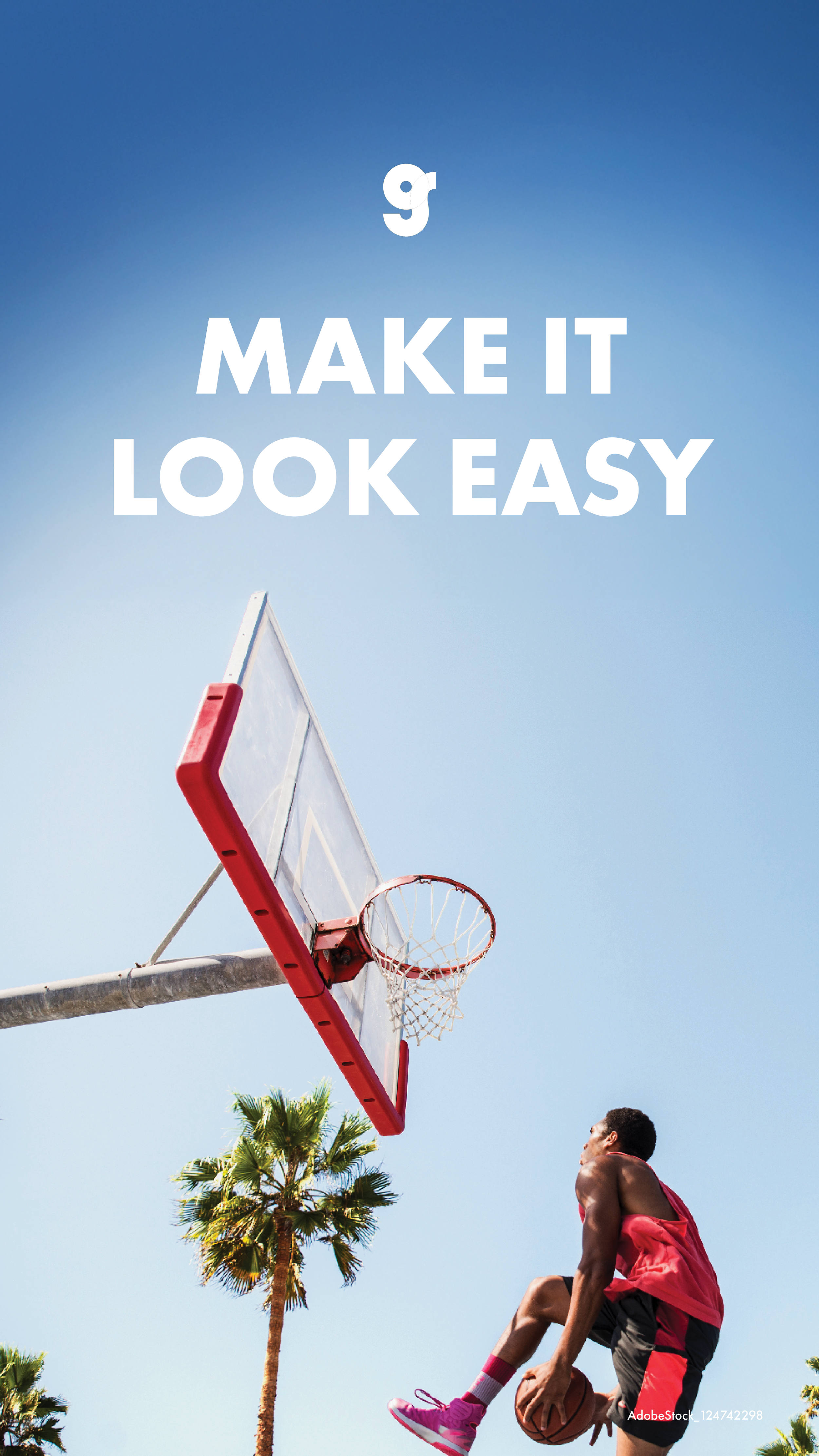
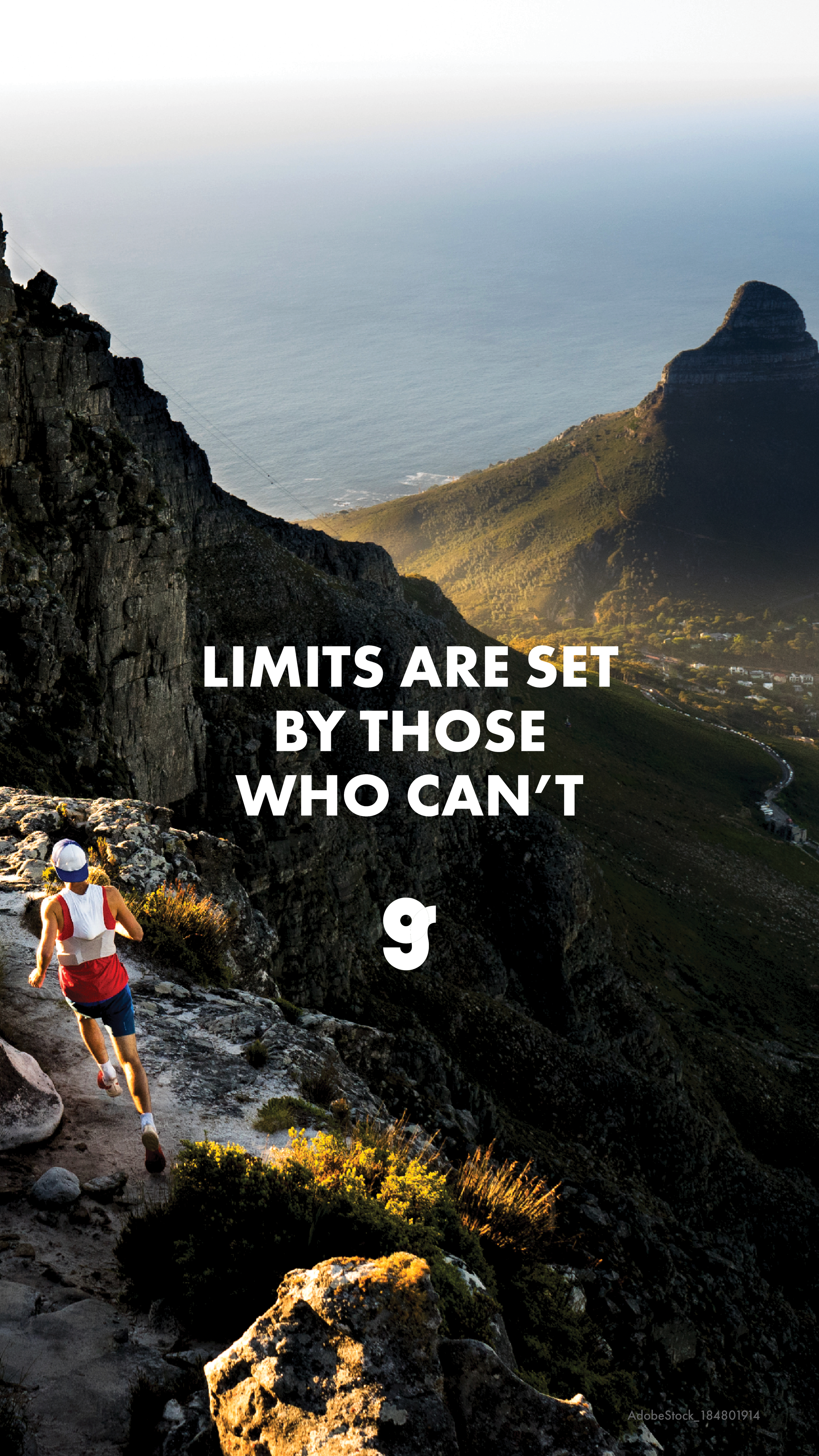
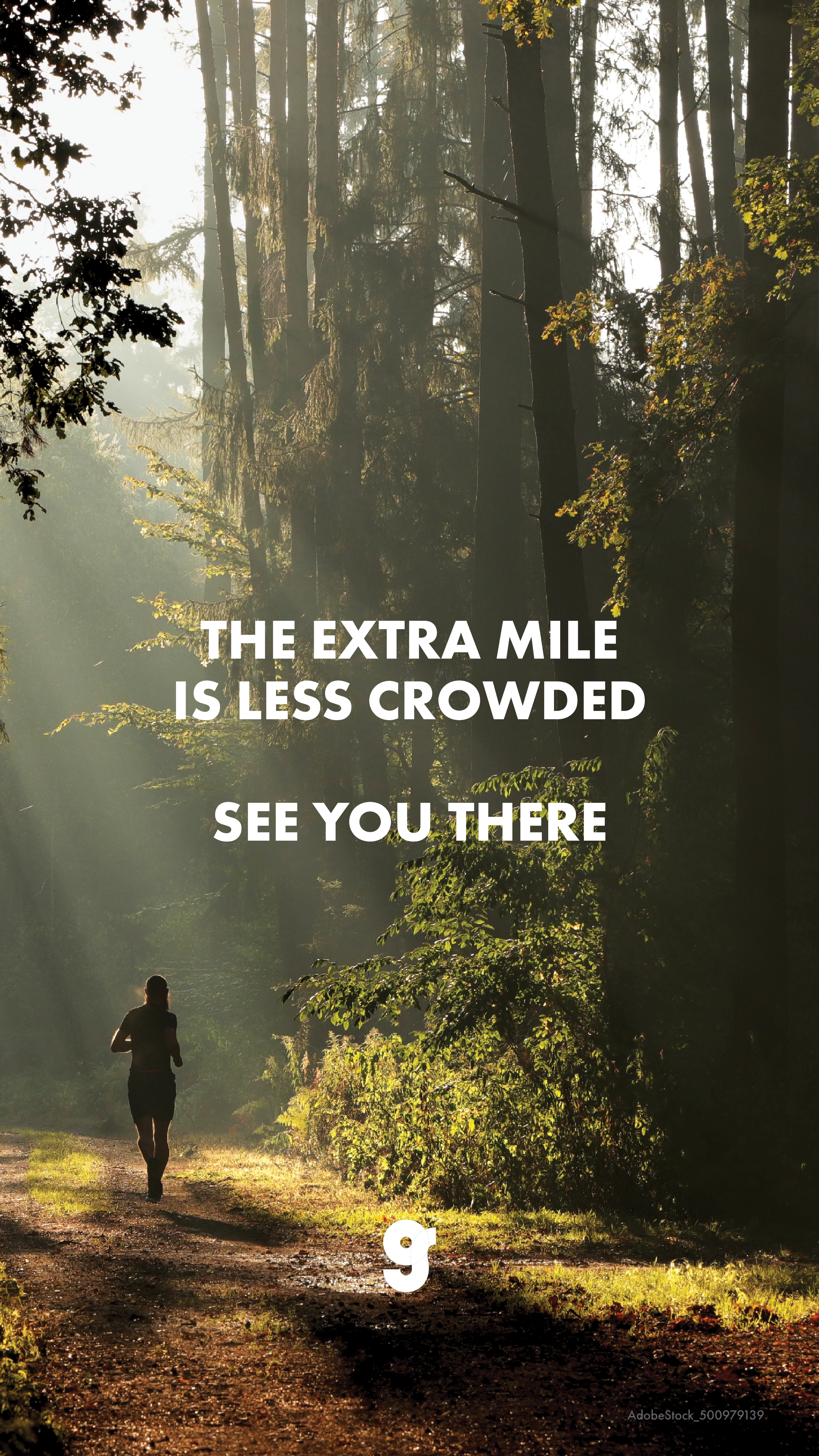
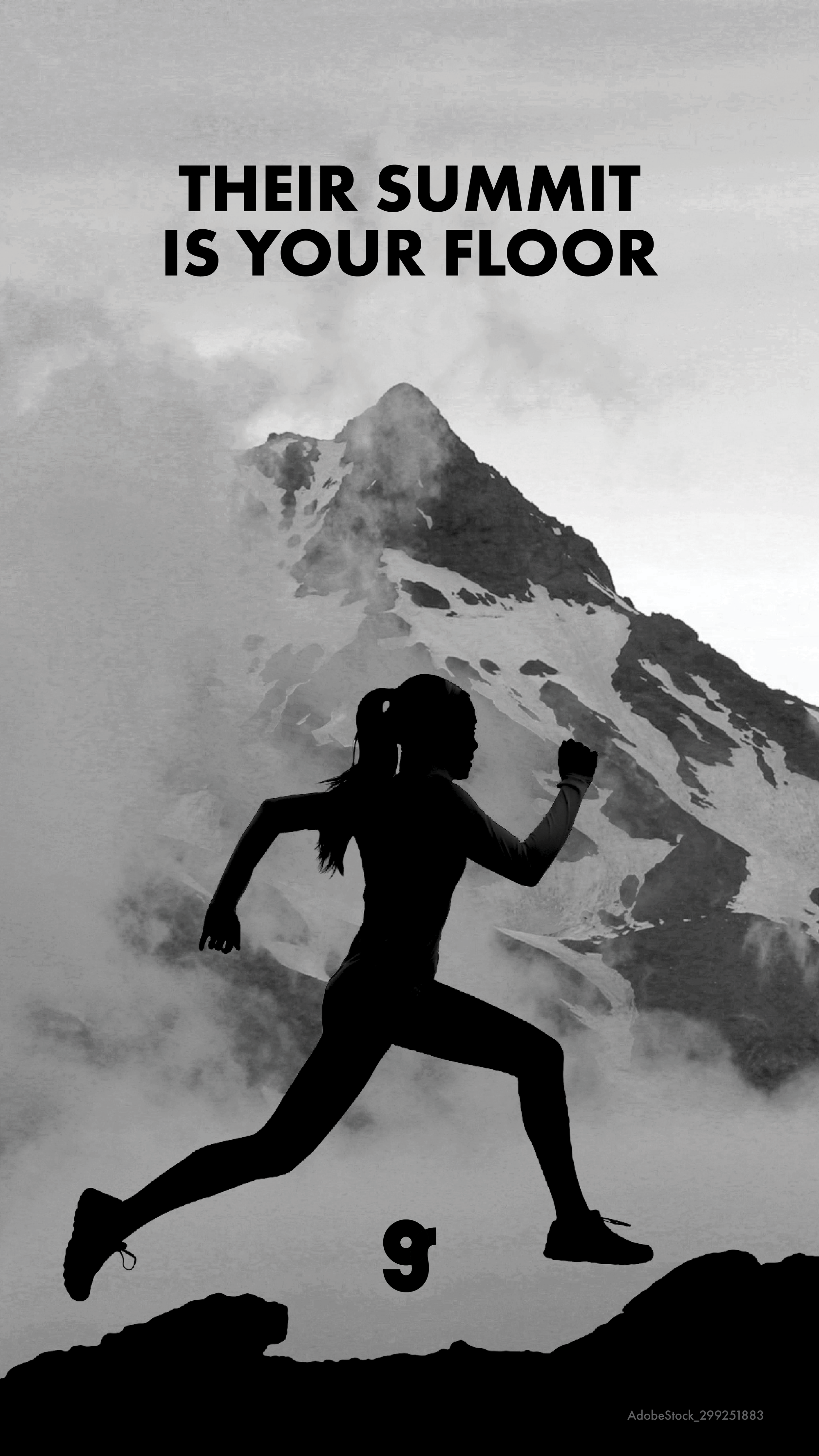
In this case, I imagined creating my own brand, where the “g” mark functions as a seal of approval—signifying that every piece aligns with my values and my perspective on the world of sports. Each message reflects what I believe to be honest, process-driven truths about athletic performance and competition. Some of these statements may provoke discomfort or disagreement, but that tension is intentional.
Rather than focusing on the technical nuances of individual sports, this work centers on the emotional and psychological aspects shared across them—the discipline, pressure, sacrifice, and resilience inherent to the game, regardless of the field of play.
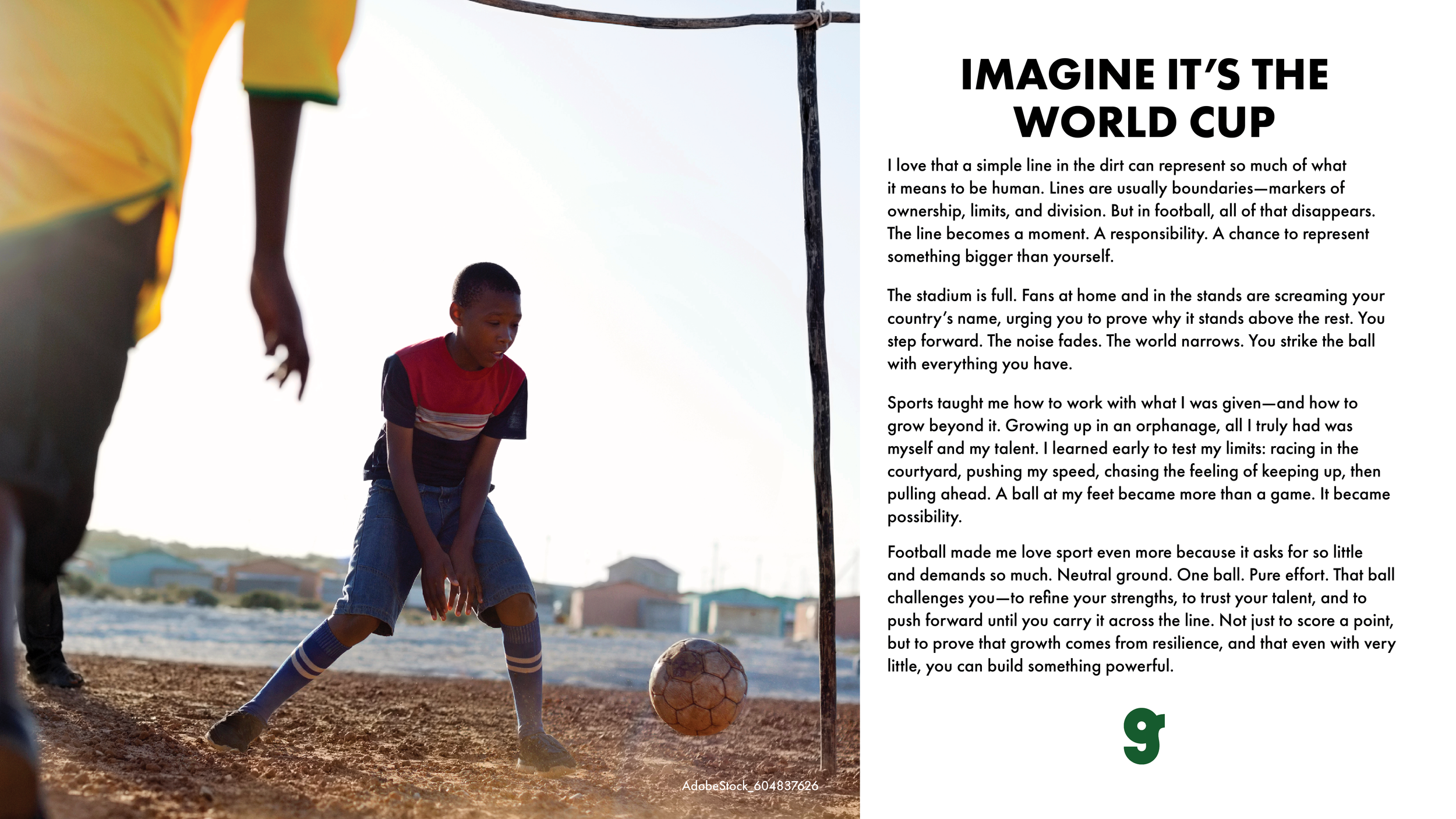
While designing, I prioritize brand voice throughout the production process, considering how each piece might live as a marketing asset or promotional poster and what emotions it should evoke in the viewer. Typically, I take a neutral stance and avoid injecting personal opinions into the copy. However, this project explores a hypothetical shift in that approach.
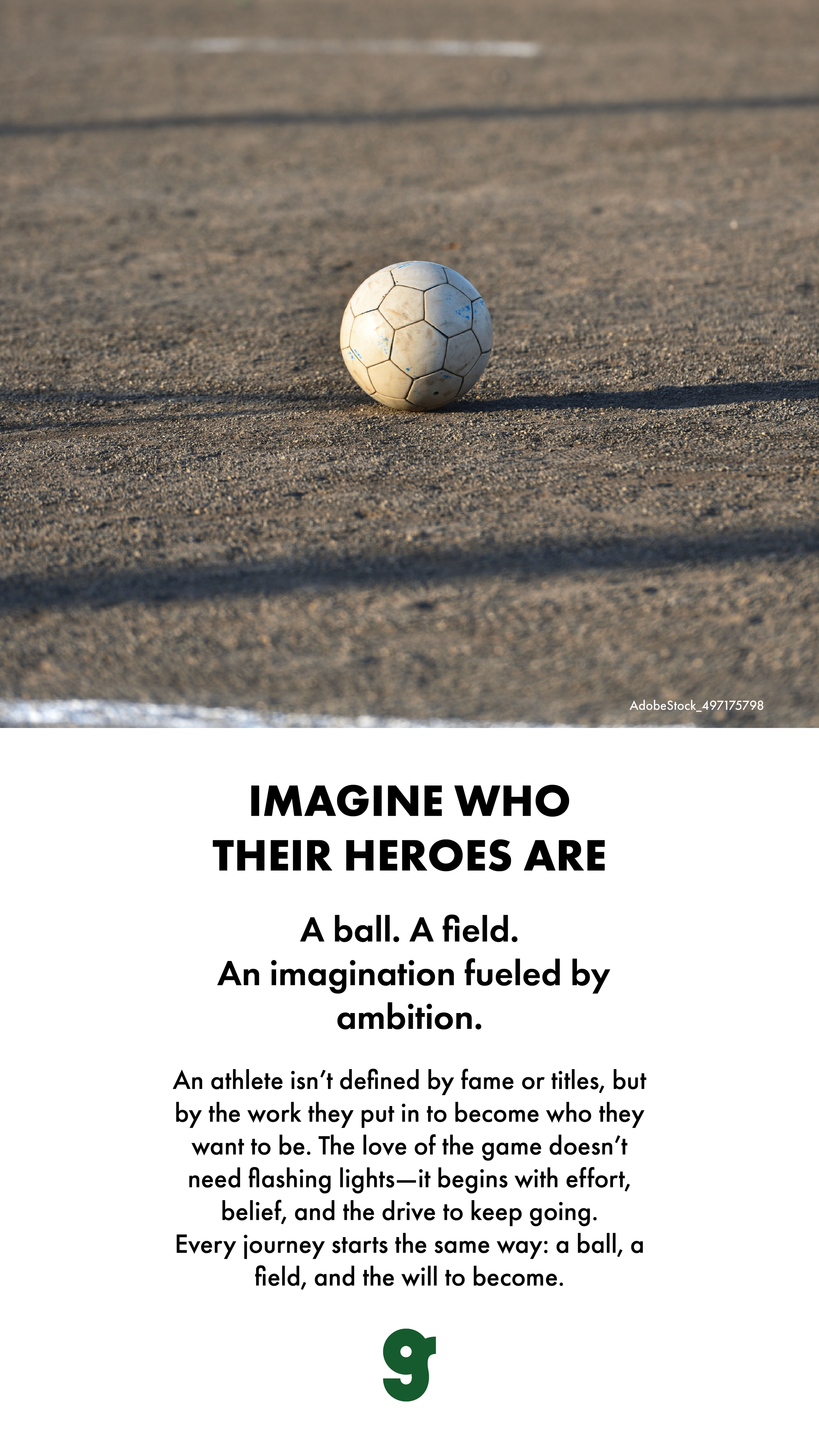

In this case, I imagined creating my own brand, where the “g” mark functions as a seal of approval—signifying that every piece aligns with my values and my perspective on the world of sports. Each message reflects what I believe to be honest, process-driven truths about athletic performance and competition. Some of these statements may provoke discomfort or disagreement, but that tension is intentional.
Rather than focusing on the technical nuances of individual sports, this work centers on the emotional and psychological aspects shared across them—the discipline, pressure, sacrifice, and resilience inherent to the game, regardless of the field of play.

YELLOW
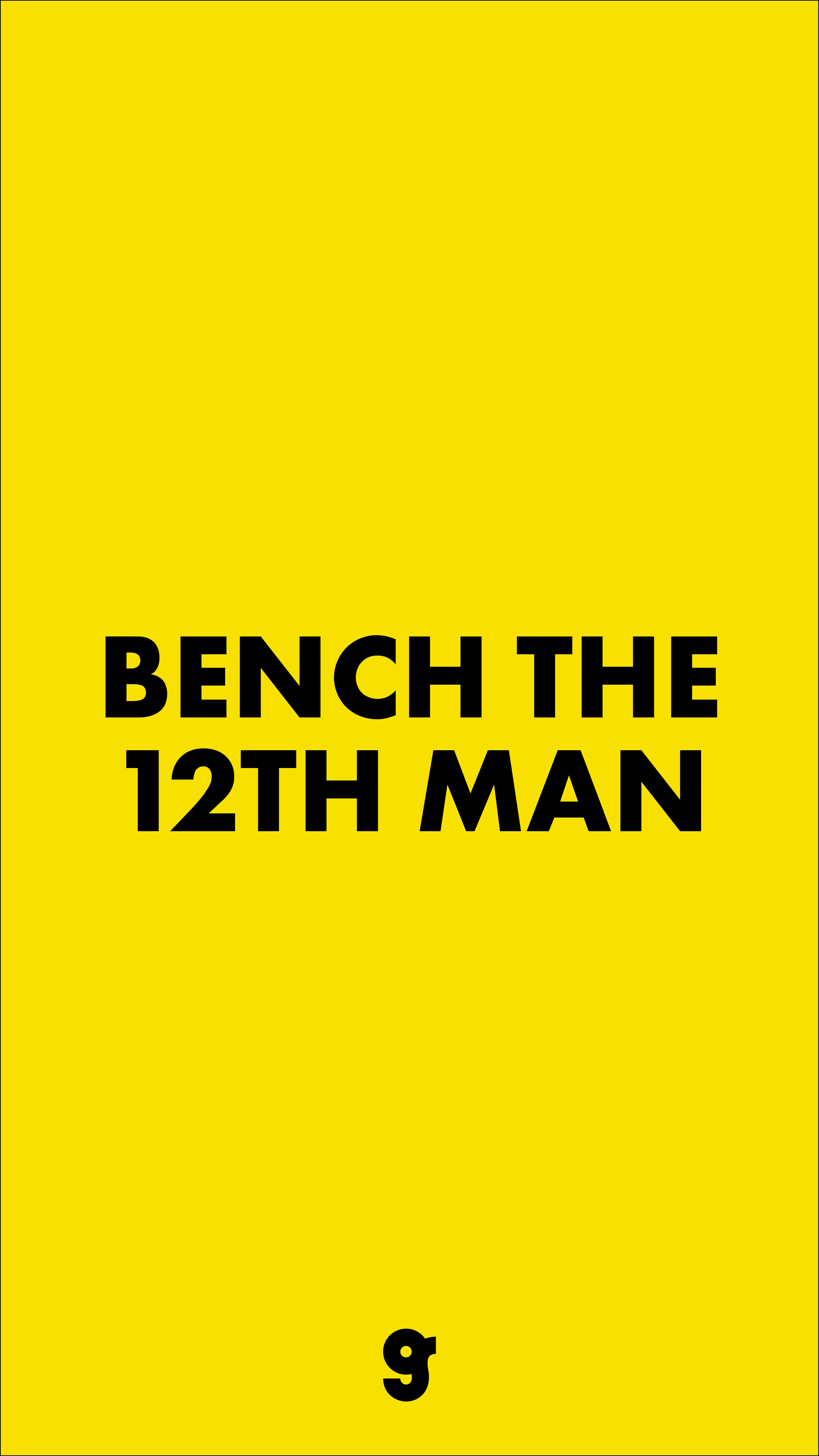
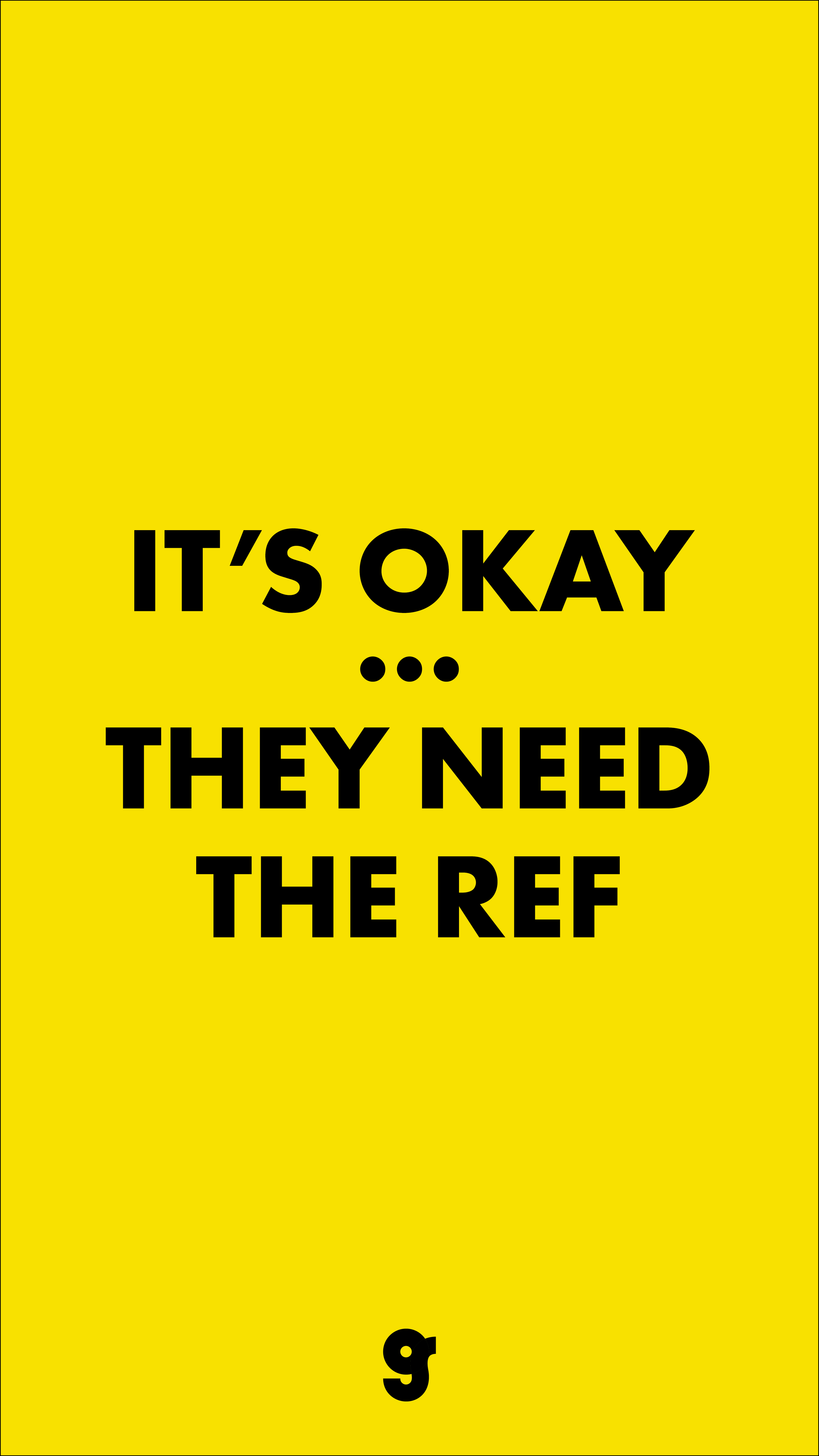
These pieces include subtle jabs at the opposing team, reflecting how fans feel when they are mistreated during the game. The copy suggests that the referee acts as an extension of the opposing team's bench—a familiar feeling in sports. This commentary captures the emotion, bias, and humor of sports culture, adding tension and authenticity without distracting from the main message.
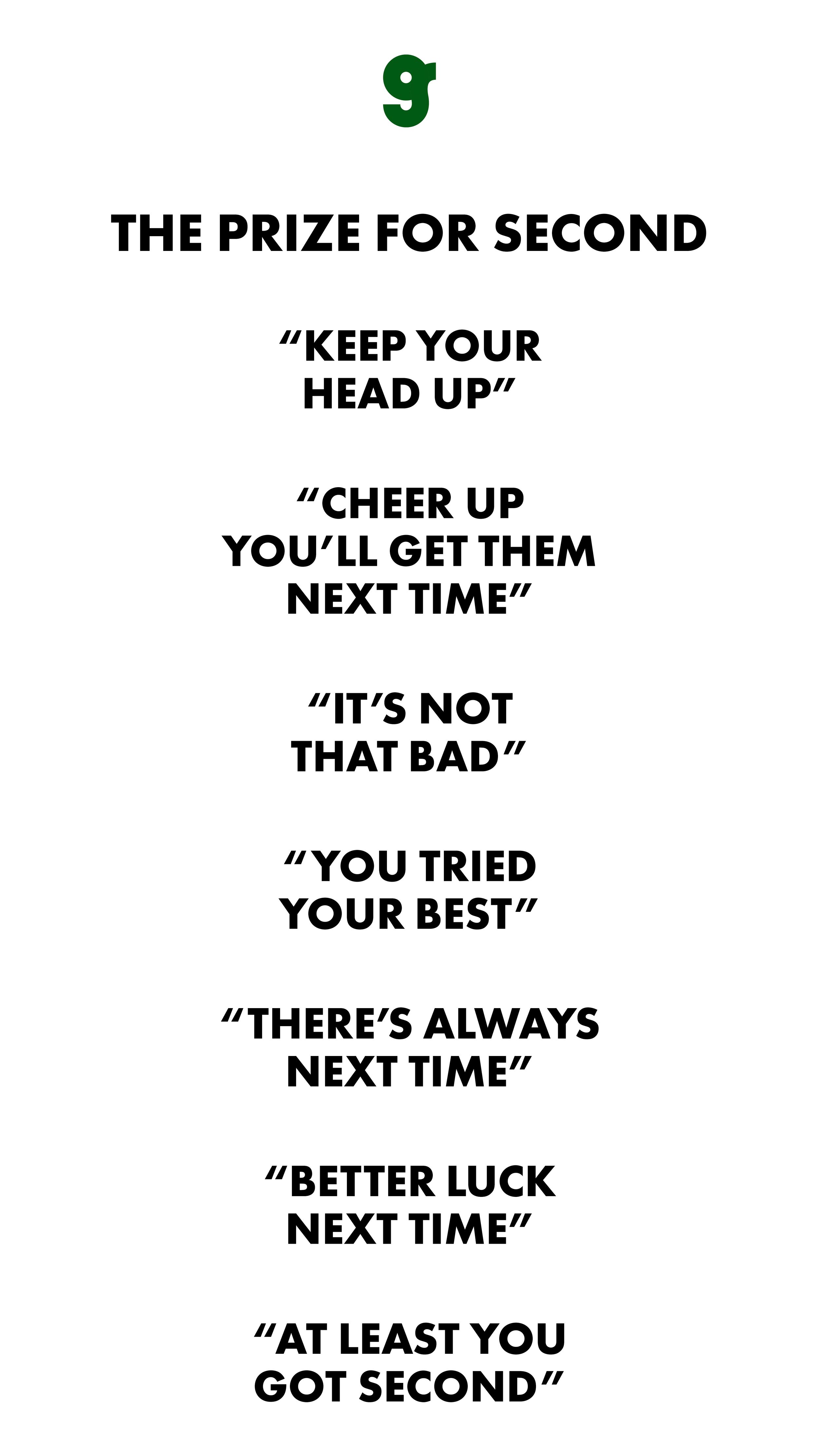
THE PRIZE FOR SECOND
When I competed in track and field in high school, the worst feeling was getting second place. This position isn’t bad—it’s actually admirable—but what comes with it is a flood of comments from family and friends trying to cheer you up. These remarks always come from a place of support and endearment, yet personally, they don’t always help.
Knowing that first place was within reach—if only I had tried harder or practiced more—lingers in your mind. That feeling pushes an athlete to question themselves and consider other paths in the hope of achievement.
This 1080 × 1920 post-style series is a collection of common phrases said after getting second place. It’s about being labeled “second,” and everything that comes with it.